FLEXIAID integrates at every stage of rubber production — and in every material category, including the ones you currently write off.
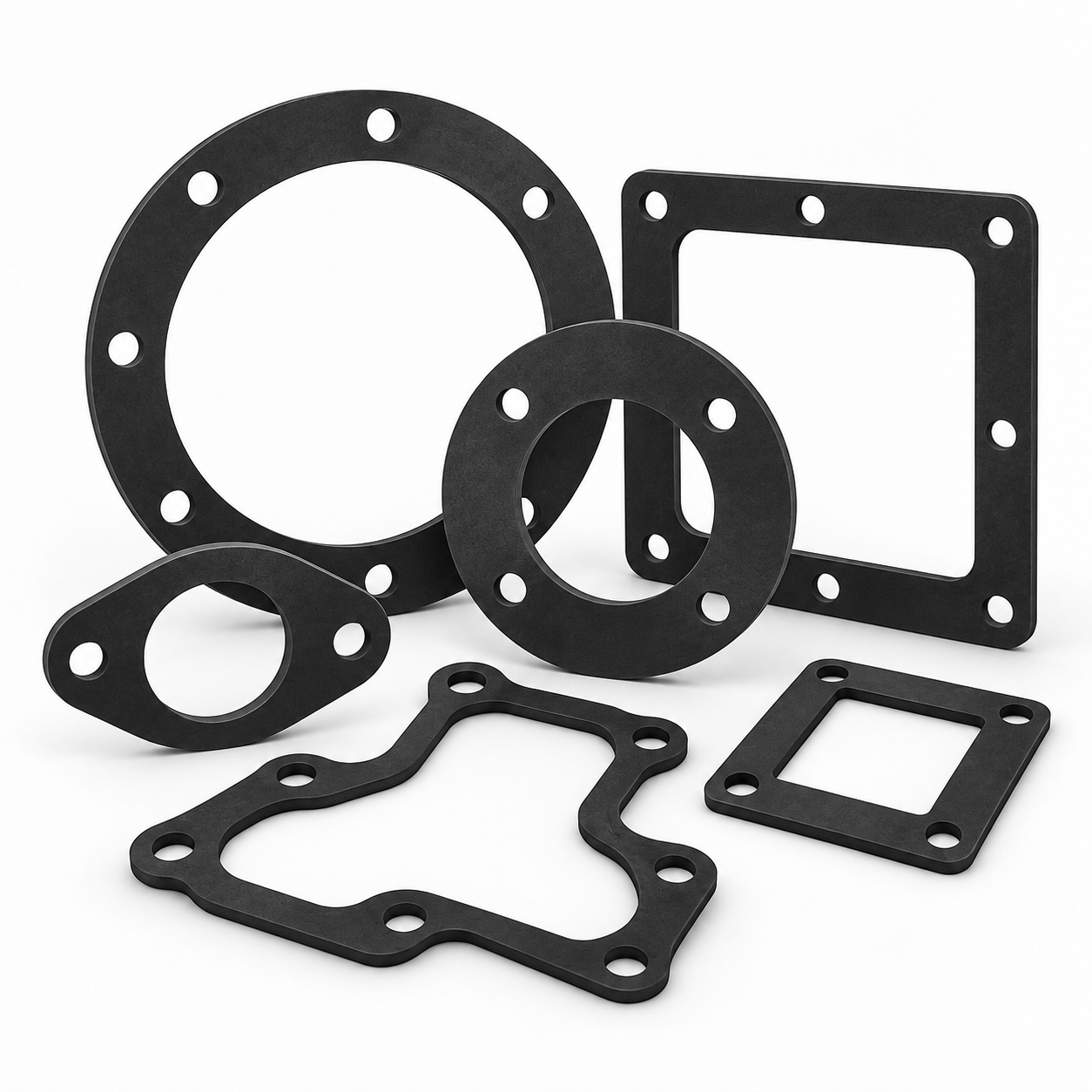
Injection, compression and transfer moulding compounds are unforgiving: premature cure in the mix shows up as rejects across an entire run. FLEXIAID's de-scorching function widens the process window — and where stock has already scorched, the same product recovers it at 3–5% instead of sending it to disposal.
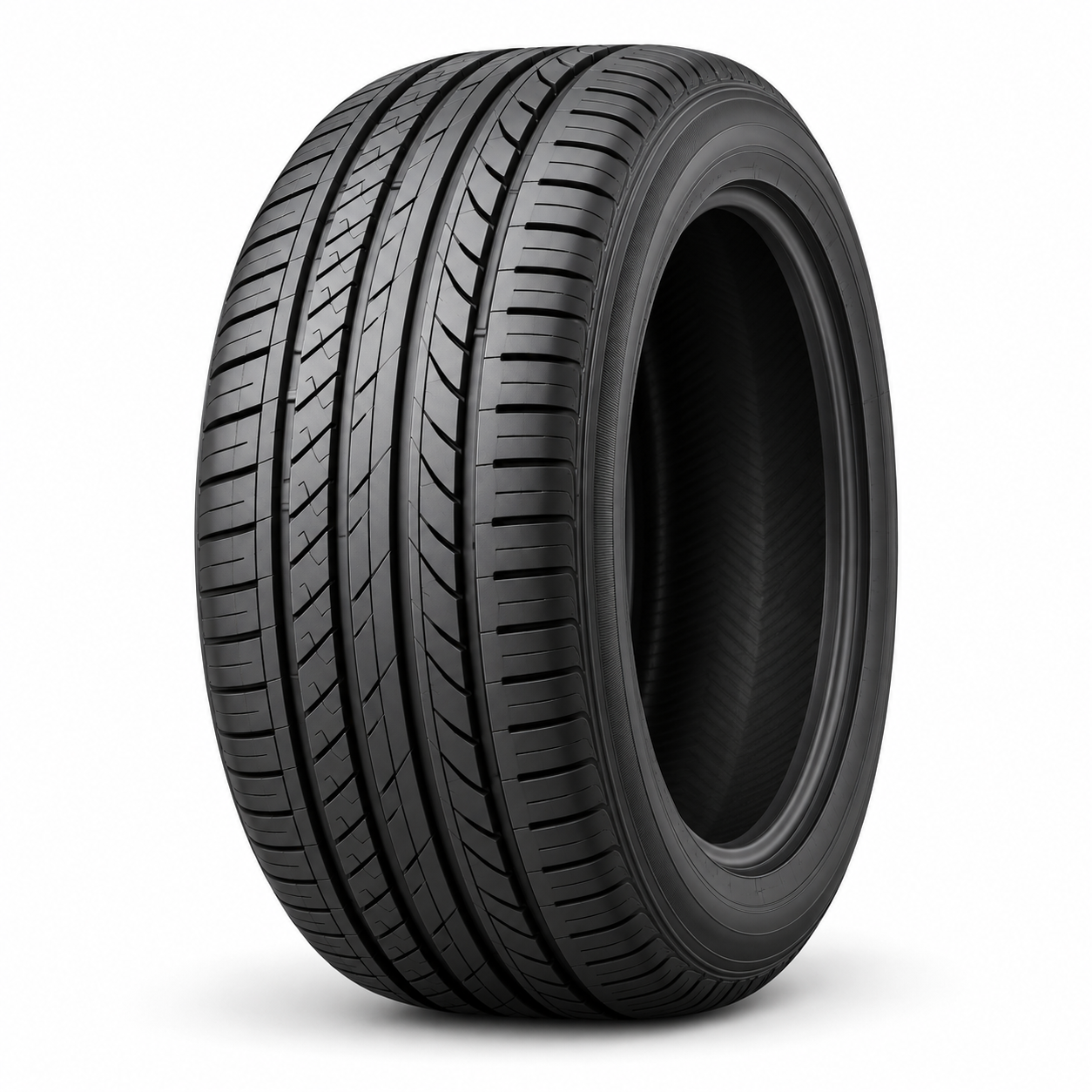
Profiles, hoses, seals and continuous extrusion lines depend on consistent plasticity and lubrication. FLEXIAID increases fluidity and processability during mixing and extrusion — improving throughput and surface finish without adding a separate process aid to the recipe.
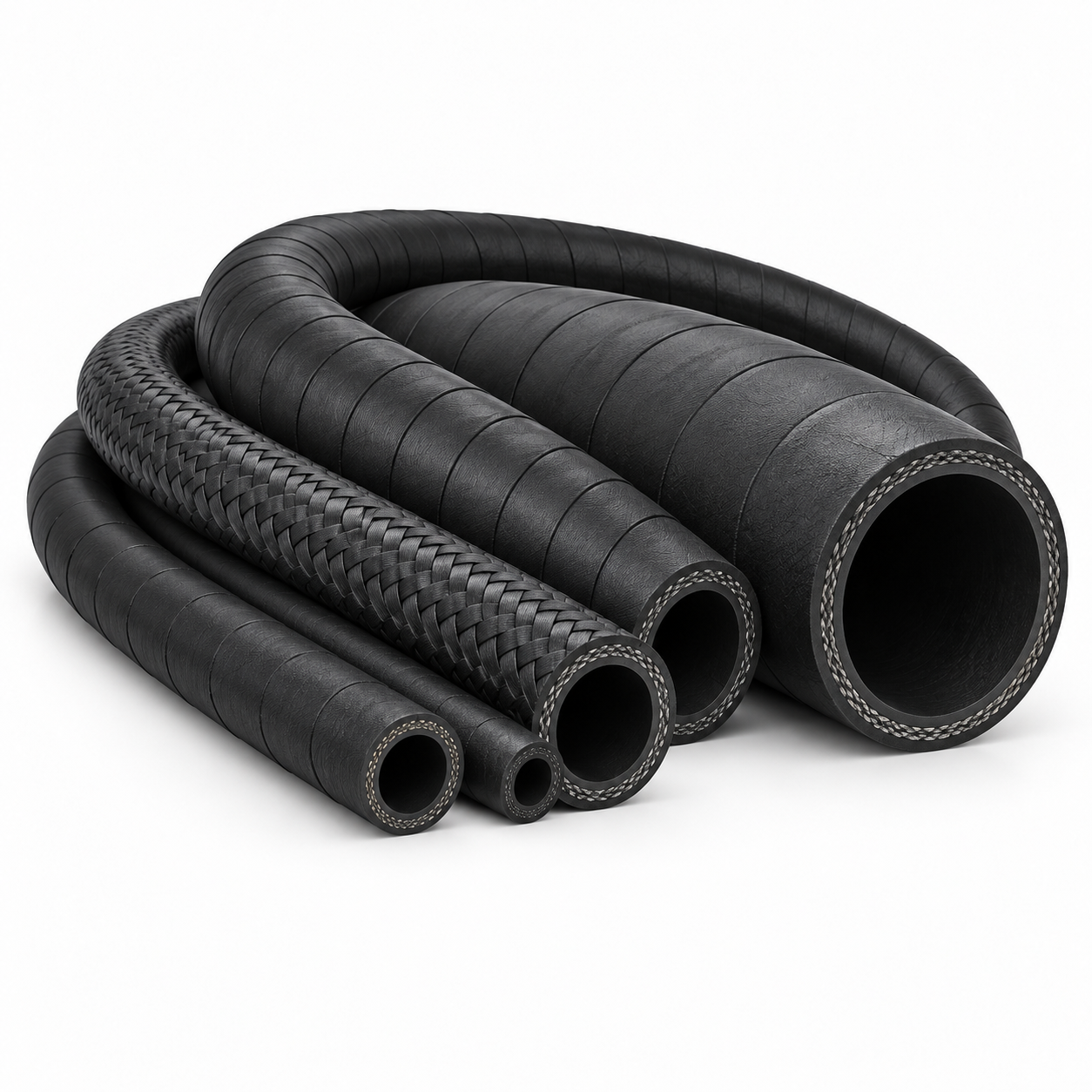
Reinforced hose compounds spend a long time warm. That is exactly where premature vulcanization starts and where an aged batch stops flowing. FLEXIAID holds the compound workable and improves the aging properties of the finished hose — less hardening, less cracking, less loss of elasticity in service.
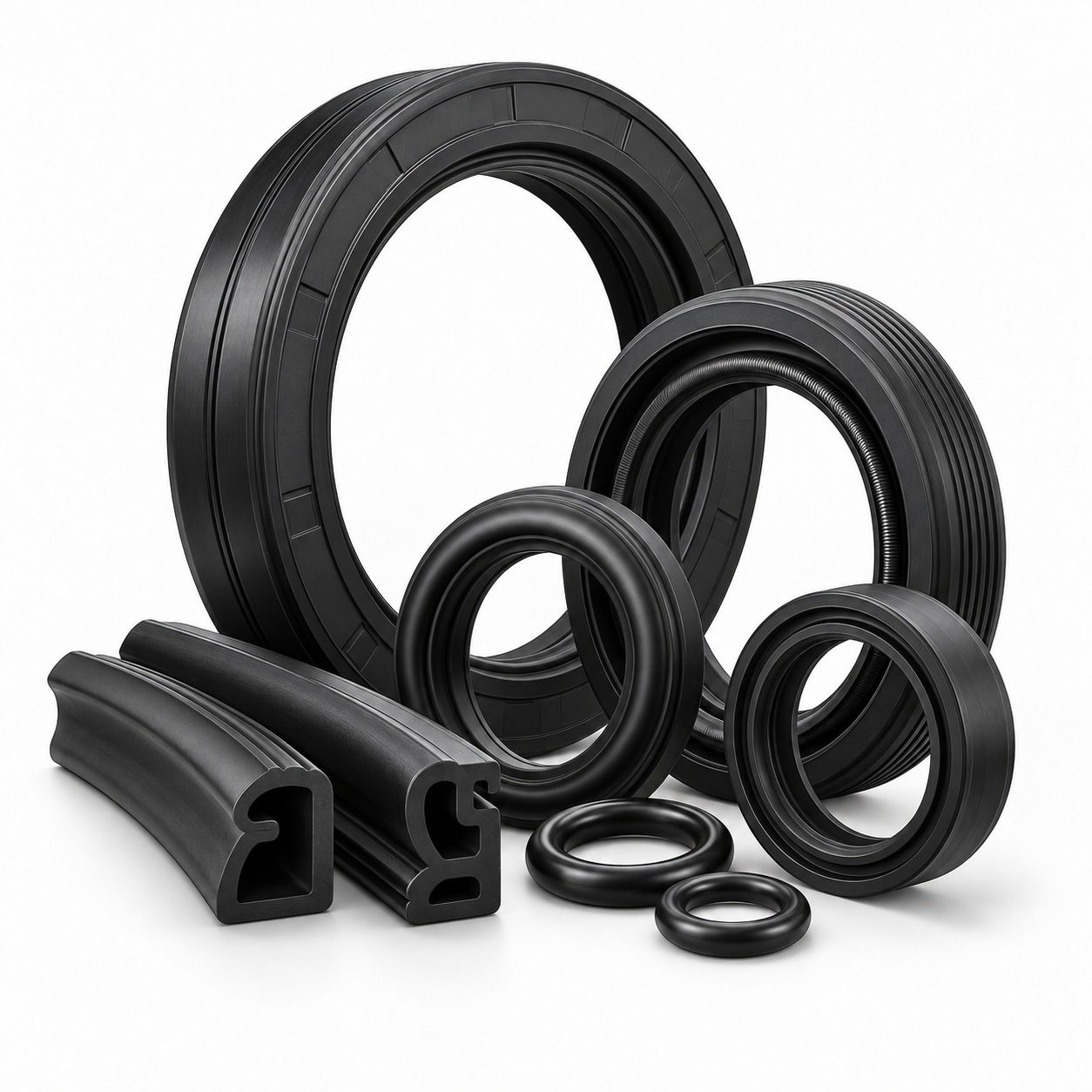
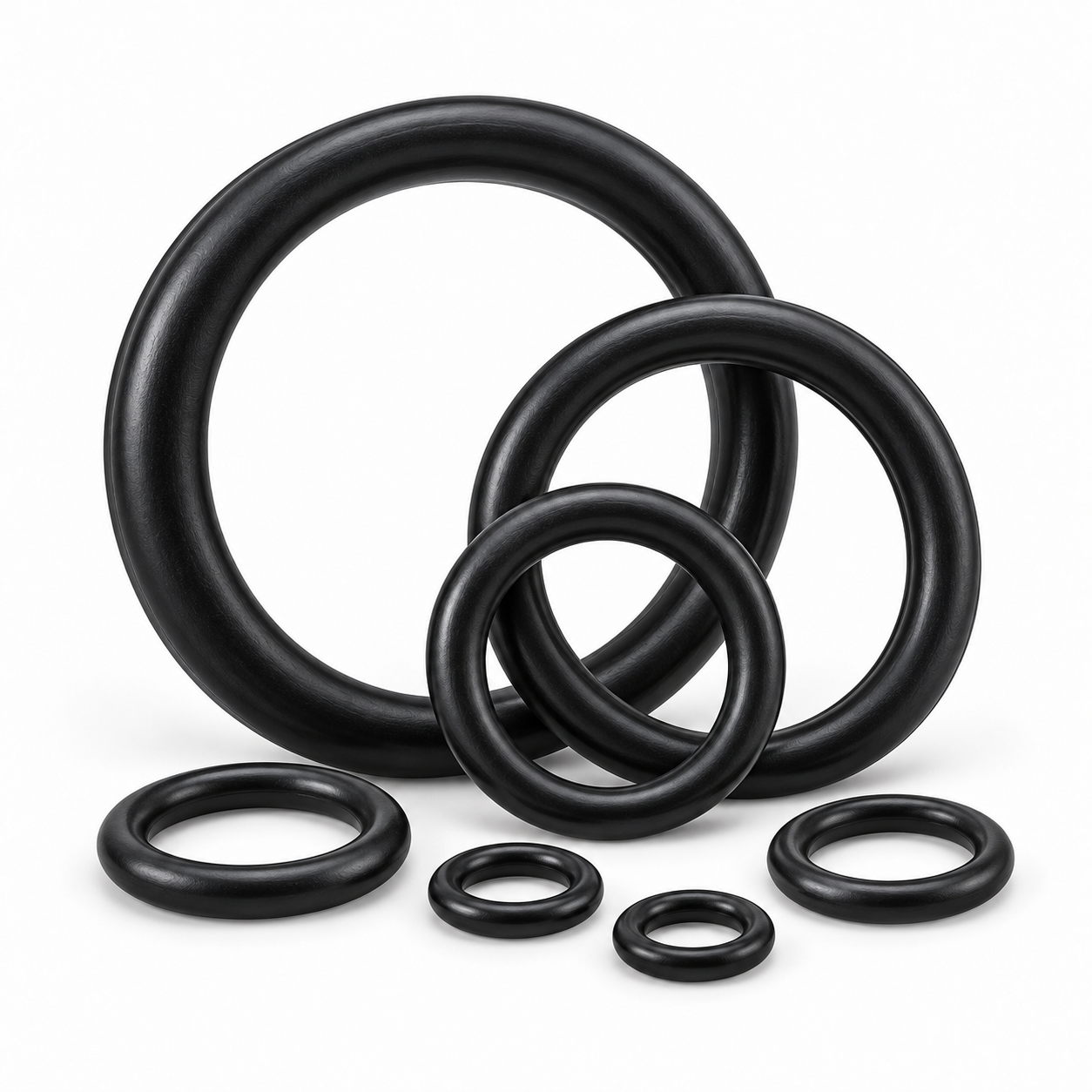
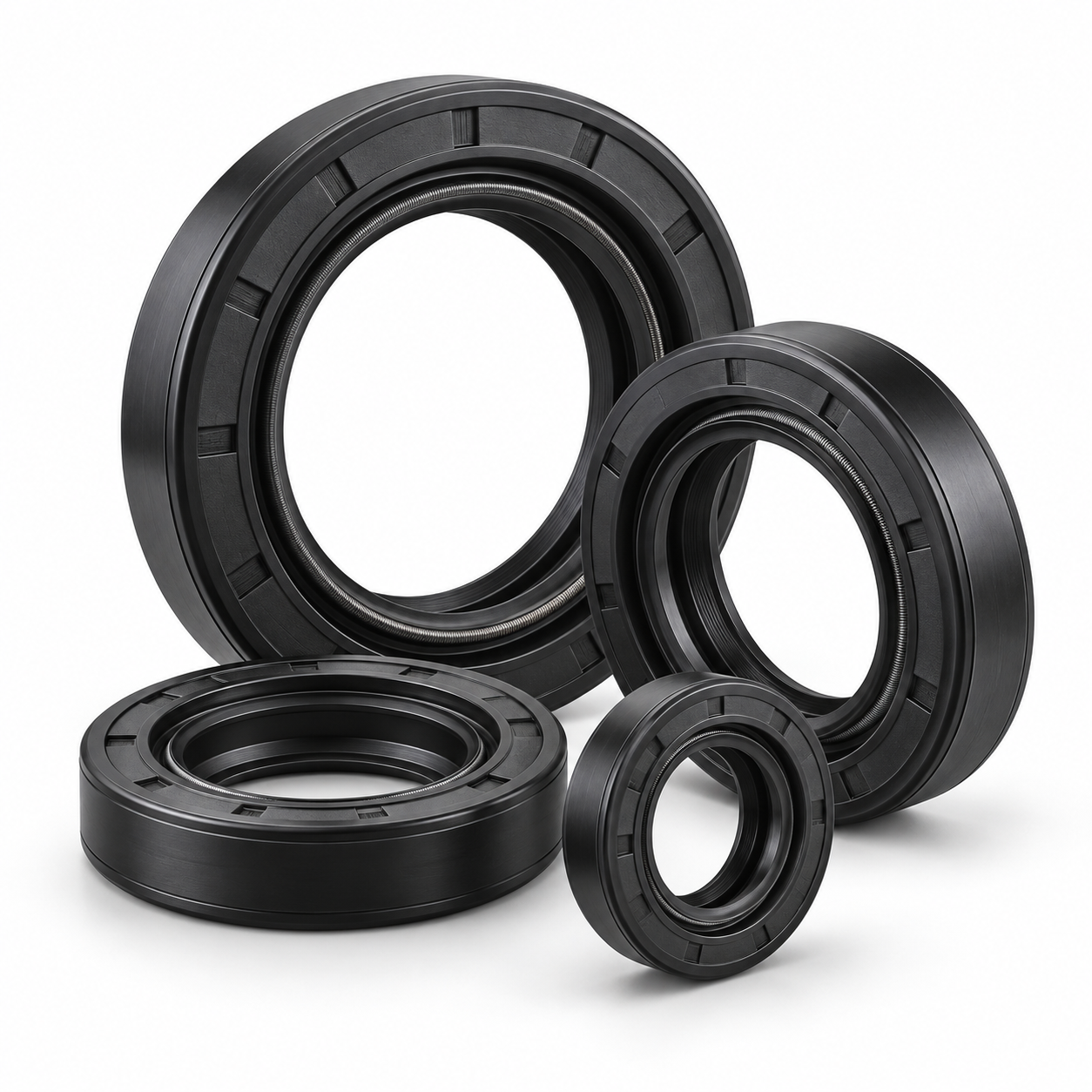
O-rings, oil seals and small moulded parts in NBR, FKM, ACM and NBR+PVC fail on dimensional change and aging long before they fail on strength. FLEXIAID reduces hardening, shrinking and swelling — and keeps the compound flowing well enough to fill fine cavities cleanly.
Every arrow leaving the line normally ends at disposal. FLEXIAID turns the failure paths into a return path.
Internal mixer, open mill and continuous compounders.
Injection, compression and transfer moulding compounds.
Profiles, hoses, seals and continuous extrusion lines.
New batches — improves processing and final properties at 2%.
Prematurely vulcanized compound — fully recoverable by cold de-vulcanization.
Sub-standard material recovered by reprocessing rather than disposal.
Post-consumer and production scrap rubber reactivated for reuse.
Rubber flashes and quality-rejected parts returned to the production cycle.

Tell us the application and the failure you're seeing. We'll send a sample with a starting dose for that specific compound.